
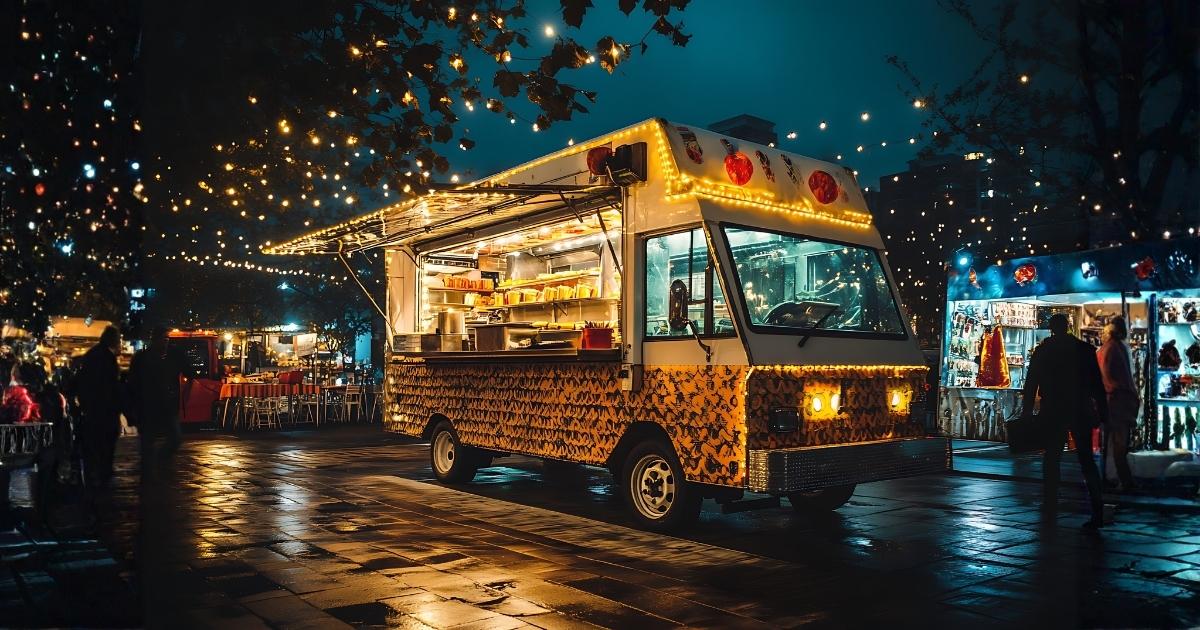
If you run a food truck, you already know: your packaging isn’t “just a box.” It’s your plate, your billboard, your storage puzzle, and half your customer experience.
And because space, speed, and margins are all tight, choosing the best compostable takeout containers for food trucksis a big decision—not just a “nice to have.”
This guide walks you through what to look for, what to avoid, and how to choose containers that actually work in a real-world truck, not just in a catalog.
Why Compostable Takeout Containers Matter for Food Trucks
Food trucks face a tougher set of constraints than most restaurants:
- Tiny prep and storage space
- High volume in short bursts
- Customers eating in cars, at festivals, and on the move
- Growing expectations for eco friendly food truck packaging
Your containers need to:
- Protect the food (no leaks, no soggy mess)
- Stack and store efficiently (so you can still walk in your truck)
- Handle heat (hot food + reheat = microwave safe takeout containers)
- Match your values and brand (sustainability, quality, professionalism)
Most “generic” compostable boxes check one or two of those boxes. The goal is to find packaging that checks all of them for your specific menu and setup.
Key Features to Look for in Compostable Takeout Containers
1. Real Compostability (Not Just Greenwashing)
Look for:
- Clear labeling about compostability (e.g., certified compostable to ASTM standards, BPI, etc., if available)
- Fiber- or paper-based materials instead of plastic-lined foam
- No unnecessary coatings or chemicals where possible
Ask your supplier direct questions about what makes their packaging compostable and how it should be disposed of. If they can’t answer clearly, that’s a red flag.
2. Performance: Heat, Moisture, and Structure
Your containers must hold up to:
- Hot, greasy foods (tacos, burgers, loaded fries)
- Saucy dishes (rice bowls, curries, mac and cheese)
- Time in a bag or on a passenger seat
Look for:
- Sturdy sidewalls that don’t collapse when stacked
- Lids that close securely, minimizing spills
- The ability to use them as microwave safe takeout containers, so customers can reheat leftovers without worrying about chemicals or warping
If possible, run a simple test: prep your messiest dish, box it up, let it sit 20–30 minutes, and see what it looks like afterward.
3. Form Factor: Flat Pack vs. Clamshell
This is where food trucks can gain a huge advantage.
Traditional clamshells ship and store as fully formed boxes. They’re easy to use but eat up valuable storage space.
By contrast, flat pack food containers:
- Ship and store as flat sheets
- Fold up in a few seconds when needed
- Create space saving food packaging that frees up your shelves and allows more inventory in the same footprint
For a small truck or trailer, that can mean:
- Fewer mid-service “we’re out of boxes” emergencies
- More room for ingredients, merch, or drinks
- A neater, less chaotic back-of-house area
If you ever feel like packaging is taking over your cabinets, switching to flat pack can be a game changer.
4. Fit for Mobile Kitchens
Food trucks are, effectively, sustainable packaging for mobile kitchens in motion.
Your ideal containers should:
- Stack securely for bumpy roads and curb stops
- Be easy to grab and fold with one hand during a rush
- Work for both dine-now and to-go orders
- Maintain food integrity even if someone doesn’t eat for 30 minutes
Think about where your containers live in your truck layout. The best system keeps them close to the expo window or pass, easy to access, and simple enough that a new staffer can learn it in minutes.
5. Pricing and Wholesale Reliability
Even with sustainability in mind, the numbers still have to work.
When evaluating compostable food containers wholesale, consider:
- Cost per unit vs. cheap containers that fail (and cost you reputation and refunds)
- How many sizes you really need (often 2–3 versatile SKUs beats 7–8 rarely used ones)
- Shipping and lead times—especially if you’re ordering custom printing
- Storage space vs. order frequency (flat pack can reduce how often you have to reorder)
The right wholesale partner becomes part of your operations rhythm: you know what you’re getting, when you’re getting it, and how it performs.
How to Choose Compostable Takeout Containers for Your Food Truck Menu
Different menus call for different packaging. Here’s a quick breakdown:
Bowls & Deep Containers
Best for: grain bowls, salads, pastas, curries, and anything saucy.
Look for:
- Higher sidewalls
- Optional lids that seal tightly
- Heat-resistant, leak-resistant construction
Shallow Boxes & Trays
Best for: sandwiches, burgers, quesadillas, wings, and fried items.
Look for:
- Wider base so items can be laid out instead of stacked
- Slight venting (for crispy foods)
- Sturdy base that doesn’t sag with greasier dishes
Multi-Purpose Flat-Pack Boxes
Best for: trucks with diverse menus—think fusion concepts, rotating specials, or seasonal offerings.
Well-designed flat pack food containers can handle:
- Bowls (rice + protein + veg)
- Entree-and-side combos
- Shared dishes like nachos or loaded fries
Having one or two versatile sizes simplifies your line and makes training easier.
Branding and Customer Perception
The container is often the only thing a customer takes home with your name on it.
Good packaging can:
- Reinforce your logo, colors, and tagline
- Signal that you care about eco friendly food truck packaging and sustainability
- Make photos look better when customers post on social media
If your budget allows, consider custom-printed boxes or sleeves. If not, even a simple stamp or eco-friendly sticker can give your compostable packaging a branded feel.
A Simple Checklist Before You Commit
Before you switch to new compostable takeout containers for food trucks, test them against this checklist:
- Compostable & safe
- Is the material truly compostable?
- Are there clear details about coatings and chemicals?
- Works with your menu
- Does it handle your messiest dish?
- Is it good for both hot and cold items?
- Truck-friendly form factor
- Can it be stored as space saving food packaging?
- Does it stack well and assemble quickly?
- Customer-friendly
- Can customers reheat food in it as microwave safe takeout containers?
- Does it feel sturdy and premium in their hands?
- Operationally realistic
- Does your team like using it during a rush?
- Can you get compostable food containers wholesale consistently at a price that works?
Putting It All Together
Choosing the best compostable containers isn’t about chasing the trendiest “green” language—it’s about finding packaging that:
- Fits your truck and menu
- Matches your values
- Supports smoother, faster service
- Makes customers feel good about ordering from you
If you’re evaluating new sustainable packaging for mobile kitchens, start by trialing a couple of sizes during a normal service, ask your staff for honest feedback, and pay attention to customer comments.
From there, you can standardize on the containers that perform best and build a system around them—one that’s better for your kitchen, your customers, and the planet.
If you’d like, I can next help you turn this into a downloadable PDF “Packaging Checklist for Food Trucks” you can offer as a lead magnet on your site.

Leave A Comment